Van der Graaf Generator

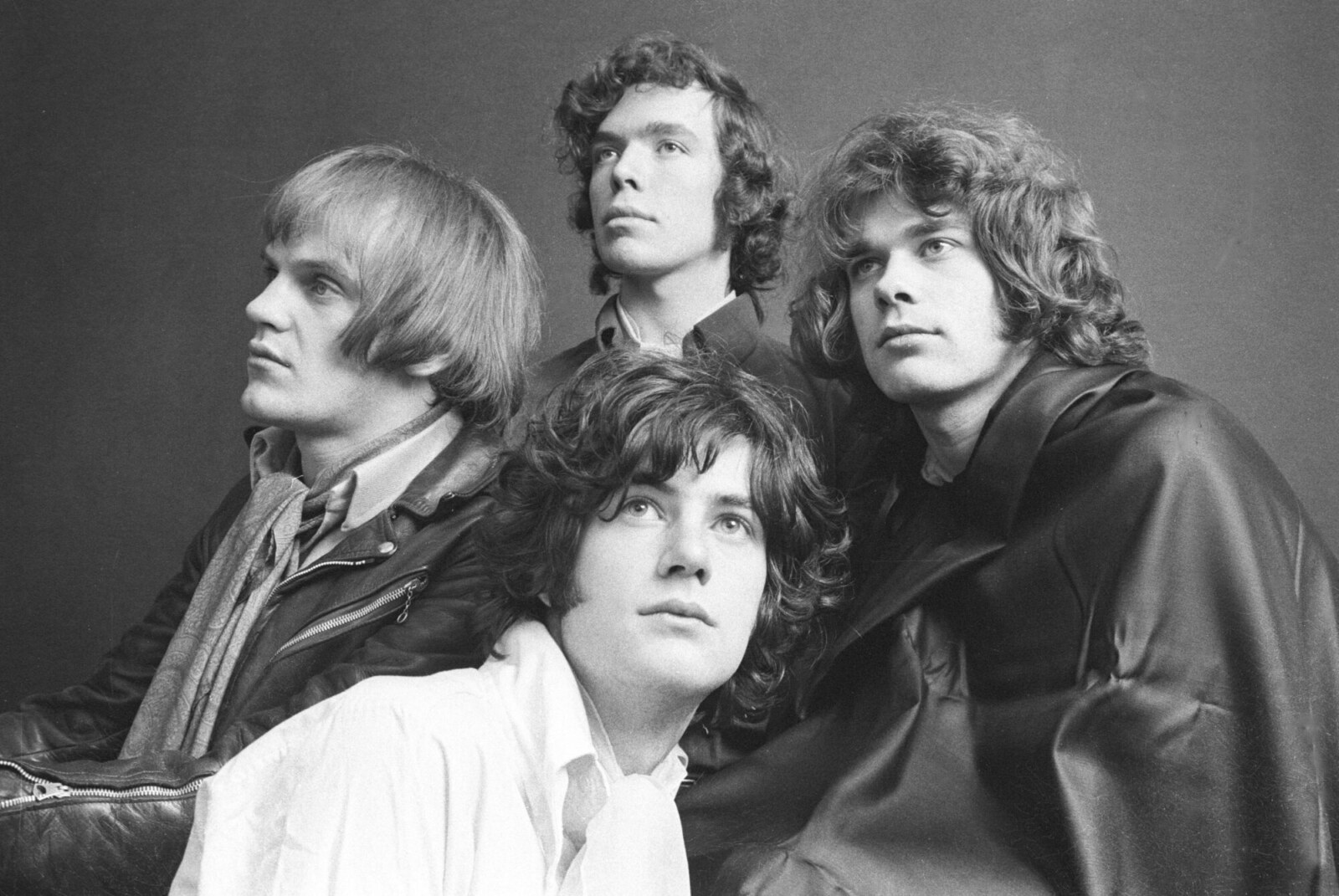
Van der Graaf Generator promotional photo
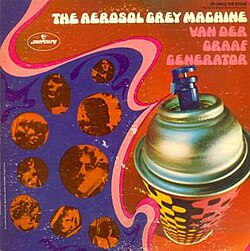
The Aerosol Grey Machine cover

The Aerosol Grey Machine 1969 ★★½

A wild year, 1969, for the prog-head. Was there a memo? Peter Hammill was already here, hunched over the lectern, ready to become one of the genre’s most devoted talents. An extensive career, rarely straying far from the form, usually turning in respectable work. Sort of the interesting college lecturer of prog-rock. Fine by me. Some of us enjoy lectures. Bring your corduroy sports jacket with the elbow patches. There’s even a little sense of humor here. Though just for 30 seconds or so. The title song. Sounds a bit like the jazzy refrain from Arlo Guthrie’s “Alice’s Restaurant,” except instead of delicious food at a diner, it’s “Just one breath and it’s instant death, it’s the aerosol grey machine.” Otherwise, pretty good songs without many true standouts. The textures and melodies shift around from track to track such that I never think I’m listening to the same thing, but the album still has a tendency to blur together. Nicely, though. Respectably. With well-textured organs, guitars, and keyboards doing their studious little dances. The lyrics are pure poetry. If you’re reading this, I deem you an honorary English PhD candidate, and you like the lyrics too. Not exactly the kind of album that makes you leap off the couch and start rearranging your life, or at least I hope not, but certainly enjoyable. Literate, knotty, modestly strange, wearing bifocals, a pipe in its mouth, but we don’t endorse tobacco use here. We just like the decoration of it.
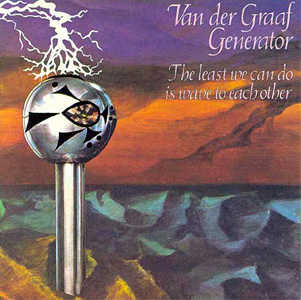
The Least We Can Do Is Wave at Each Other cover

The Least We Can Do Is Wave at Each Other 1970 ★★½

A solid prog album with dark, dramatic melodies, though not a whole lot of atmosphere. Van der Graaf Generator sound less interested in fantasy or grandeur than most of their prog contemporaries. This is prog rock with the decorative bits ripped off. No castles, no capes, no friendly wizards. Heavy organ instead and existential dread—Peter Hammill and his warbling vibrato standing in the middle of a cold room by himself singing doom-ridden. I do rather enjoy this, even if the album sometimes feels like one prolonged post-psychedelic bipolar downer. The problem starts with Hammill mostly singing in one emotional frequency, and the band comes unprepared to loosen that knot. Everything is tense, serious, and a bit apocalyptic, with Hugh Banton’s organ moving between cathedral grandeur and existential-crisis gloom. David Jackson answers with a swarming and blaring saxophone that scats manically through the album. The emotional intensity stays cranked so consistently high that the album can feel like it’s blurred into one gigantic mood piece. Still, the musicianship keeps it compelling. Rhythmically, the band is restless enough that the music rarely grows stale—even when the emotional palette doesn’t shift much. Though there is one standout, “Refugees.” Much more fragile and melancholy than the rest—and it’s utterly beautiful. This is an album that seems to reach consistently for transcendence—and if there were more songs like “Refugees,” maybe it would have gotten there. But what we get instead feels more like fluorescent dread.

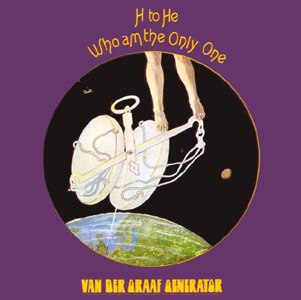
H to He, Who Am the Only One cover

H to He, Who Am the Only One 1970 ★★★★

The first two Van der Graaf Generator albums had their virtues, but this is where they start sounding like one of the major prog beasts. Less tentative noodling. More harsh and dramatic turns. The songs feel less aimless now. Still warped. Still dramatic. Plenty of dread, saxophone, Hammond organ, and Hammill theatricality. But the nervous energy has direction now. The band no longer sounds like it’s just showing off its personality. It sounds like it finally has a story to tell. The band’s first true classic-prog statement. “Killer” opens the album with Hammond organ and saxophone locked into a tense, catchy riff, while Hammill charges through it like a man trying to emotionally overpower the microphone. The song twists and turns without losing its grip. “Emperor in His War-Room” is the weakest track here, but that even has its strange little flashes. Parts of it seem to point ahead to Queen’s “The Prophet’s Song.” Or at least to that same misty prog corridor where it would later emerge with a cape on. “Lost” is the big overblown one, and I mean that fondly. The flute is frantic, there are long instrumental passages, Hammill does the wandering-minstrel-in-peril routine with absolute conviction. It should all be too much, and maybe it is. But there’s plenty of genuine tension in there to keep the drama gripping—as opposed to morphing into costume jewelry. Then there’s “Pioneers Over C” that closes the album. It leaves the planet entirely. Thirteen minutes of oxygen deprivation and organ churn. A saxophone that sounds like Mission Control giving you phony directions. I’ll have to pick the piano ballad as my favorite here. Groan if you insist. “House With No Door.” It doesn’t take me on a psychedelic space mission, and it doesn’t hit with the same tangy punch as “Killer,” but the melody is beautiful, and Hammill’s theatrical singing becomes genuinely moving. Not a perfect album. Still pompous and relegated for the noodle-head only, but it’s also terribly fun. Rightfully considered a landmark in the genre, and pretty much what people are thinking about when they talk about Van der Graaf Generator.

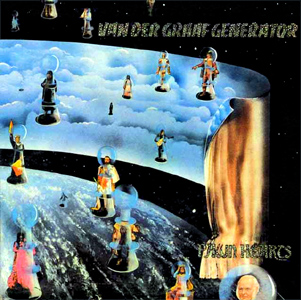
Pawn Hearts cover

Pawn Hearts 1971 ★★★

If Peter Hammill was the professor of prog, Pawn Hearts is where he finally gets tired of grading papers, walks off campus, climbs into a church bell tower, and begins shouting into the fog. I wouldn’t deny the ambition. The thing has ambition stacked on top of ambition. But it’s also one long freaky mood. Hammill sings like a man helicoptering his arms through a nervous collapse. Wildly theatrical, flailing in every direction, never really relaxing for a second. The organ and horns circle around him, pushing into strange, sometimes hellish textures. After a while, the album starts feeling trapped inside its own mood. Everything is intense. Everything feels apocalyptic. Presumably hell itself would have some variety to it somewhere. But Pawn Hearts isn’t interested in finding it. “Man-Erg” is the most approachable piece here, opening with pretty piano and a mournful melody before sinking into another bout of existential distress. It’s also the shortest track on the album, at just over ten minutes. Well, we are listening to classic prog—you wouldn’t mistake this for anything else. “A Plague of Lighthouse Keepers” is the twenty-three-minute centerpiece: a haunted maritime breakdown full of ghosts, madness, organ swells, and Hammill sounding like he’s been left alone with the foghorn too long. In some ways Pawn Hearts resembles their earlier albums. The same darkness—only pushed into the furthest reaches. I’m not sure I’d call this album enjoyable. It’s more like listening to a mad priest rant in a big empty cathedral. It bellows, broods, spirals, and keeps finding new spaces to echo in. It’s not balanced. But it’s certainly memorable.

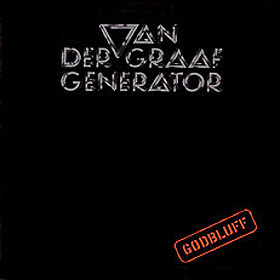
Godbluff cover

Godbluff 1975 ★★★½

Peter Hammill spent several years cutting solo records before wandering back to Van Der Graaf Generator, apparently unchanged by time or basic human calming mechanisms. He’s still the professor of prog. Still the harbinger of doom. The toolkit is still the same. Organ, saxophone, guitar, drums. Stark atmospheres. This album might almost sound punk if you’d just crawled into it from some other monument of mid-’70s prog excess—Yes’ Tales from Topographic Oceans, say, or Genesis’ The Lamb Lies Down on Broadway. After the breakdown of Pawn Hearts, Hammill is back in the classroom with his scorched corduroy jacket, chalk in hand, frightening the students with vivid apocalyptic reports from his latest mushroom trip. The difference is that Godbluff breathes better. The instrumental passages keep finding shifting textures and moods that give the ear something to grab while Hammill moans, bellows, and declaims. The album consists of four long songs, each wound tight and pushed forward with conviction. “The Undercover Man” opens with eerie restraint—an ominous pulsing flute, Hammill whispering, his very theatrical way of pulling us into this spooky little story. “Scorched Earth” is the same VDGG dread, this time with more muscle and still room for strange little instrumental detours. “The Sleepwalkers” comes closest to playfulness, though playfulness here means David Lynch visiting a psycho circus where the ringmaster has hidden the safety exits. I still prefer H to He, which had the bigger classic-prog moments and a more memorable sweep, but Godbluff is a well-controlled beast: severe, dramatic, and a respectable credit to the prog race.

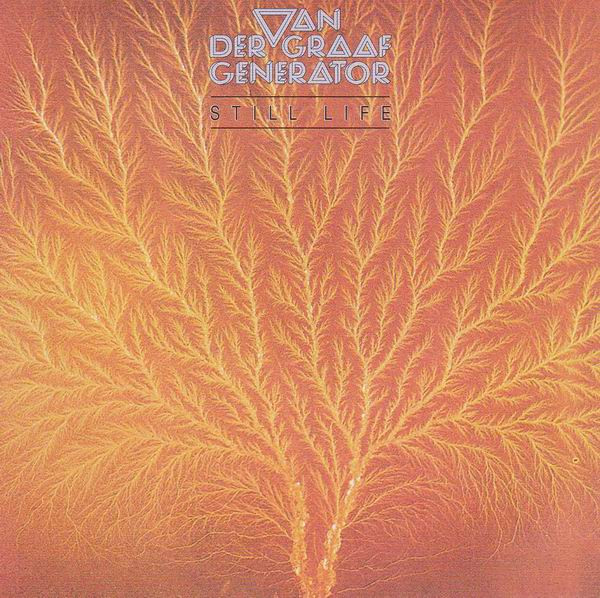
Still Life cover

Still Life 1976 ★★★

Coming right after Godbluff, Still Life doesn’t grab me quite as quickly, though it isn’t any less dynamic. The same Van der Graaf chemistry set is out on the table—Hammond organ, keyboards, bass, drums, guitar, saxophone. The band still sounds like they’re always prepared for civilization to collapse before the next chorus. Still, it doesn’t give me pictures as vivid as Pawn Hearts. Maybe that’s for the best. It also doesn’t hit me quite as hard as Godbluff. Where it improves on Pawn Hearts is variety. The darkness is still there, but it isn’t piled on quite so relentlessly. Not that Peter Hammill has softened. How that raspy, shouty guy made it through the decade without his neck splitting open is beyond me. My usual image of Van der Graaf Generator as some wild-eyed prog professor goes strangely religious here. “Pilgrims” opens with a chord progression that sends me to church during some deranged Jesus Christ Superstar rehearsal. The title track sounds almost prayerful. “La Rossa” brings back some of that Pawn Hearts intensity, with Hammill growling like a werewolf performing an exorcism. “My Room” starts out surprisingly pretty, which is not always the first adjective that springs to mind with this band. “Childlike Faith in Childhood’s End” closes things with another trip through existential territory. Saxophones always ready. Not one of their most striking albums, but focused, varied, and easier to sit with than some of their deeper descents into the abyss.

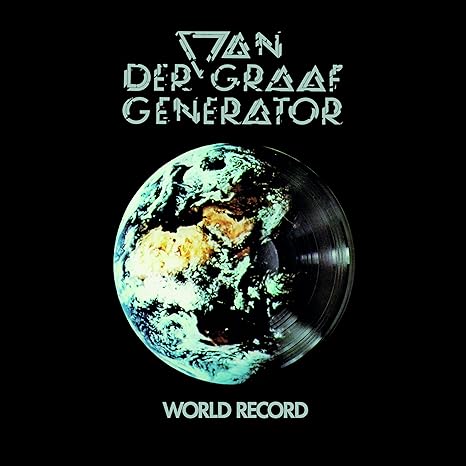
World Record cover

World Record 1976 ★★★½

Who did these people think they were making an album that almost resembles accessibility? Still not truly accessible, mind you. You still wouldn’t put this on for your mother unless you wanted her to kick you out and not return until you had your arm around a girlfriend. But World Record has textures you can grab. Crunchy guitars, dirty grooves, squealing sax, a little synth sorcery. This album still stares into the abyss, but now there’s a banister. “When She Comes” opens with flutes fluttering around before the mood darkens and Hammill starts growling through the melody. “A Place to Survive” rides a clean drum pulse and a deep groaning rhythm before wobbling off toward somewhere mysterious—outer space, Middle-earth, Wonderland, pick your map. My pick for best song here. Then comes “Meurglys III,” a twenty-minute prog monster. Earlier albums might have given us watery doom or organ panic. Instead we get… reggae? Apparently Hell has an exchange program with Jamaica. “Wondering” is genuinely beautiful, building toward a huge final stretch that nearly tears its own buttons off. Not everything lands. Parts remain jumbled. But the album feels more deliberately musical than much of their earlier work. Probably their strongest front-to-back statement since H to He, and for the right listener this might as well be gold.